Aluminum Foil Roll Manufacturers VS Trading Companies
Aluminum Foil Roll Manufacturers vs Trading Companies: Which Is the Better Choice for Your Business?
If you’re planning to import aluminum foil rolls from China, one of the first decisions you’ll need to make is whether to work directly with a manufacturer or purchase through a trading company.
Both options have their advantages. Manufacturers usually offer lower prices, better customization, and stable quality, while trading companies provide flexibility, smaller minimum order quantities (MOQ), and access to multiple product categories.
So which option is right for your business?
This guide compares aluminum foil roll manufacturers and trading companies across pricing, quality, customization, delivery, technical support, and long-term cooperation to help you make an informed purchasing decision.
Quick Comparison
|
Feature |
Manufacturer |
Trading Company |
|
Product Price |
Lower |
Higher |
|
Minimum Order Quantity |
Usually Higher |
Usually Lower |
|
Product Customization |
Excellent |
Limited |
|
Quality Control |
Direct Control |
Depends on Suppliers |
|
Delivery Stability |
More Stable |
Depends on Factory Availability |
|
Technical Support |
Professional Engineering Team |
Basic Product Information |
|
Product Variety |
Mainly Own Products |
Wider Product Range |
|
Best For |
Large Orders & OEM |
Small Orders & Mixed Products |
What Is an Aluminum Foil Roll Manufacturer?
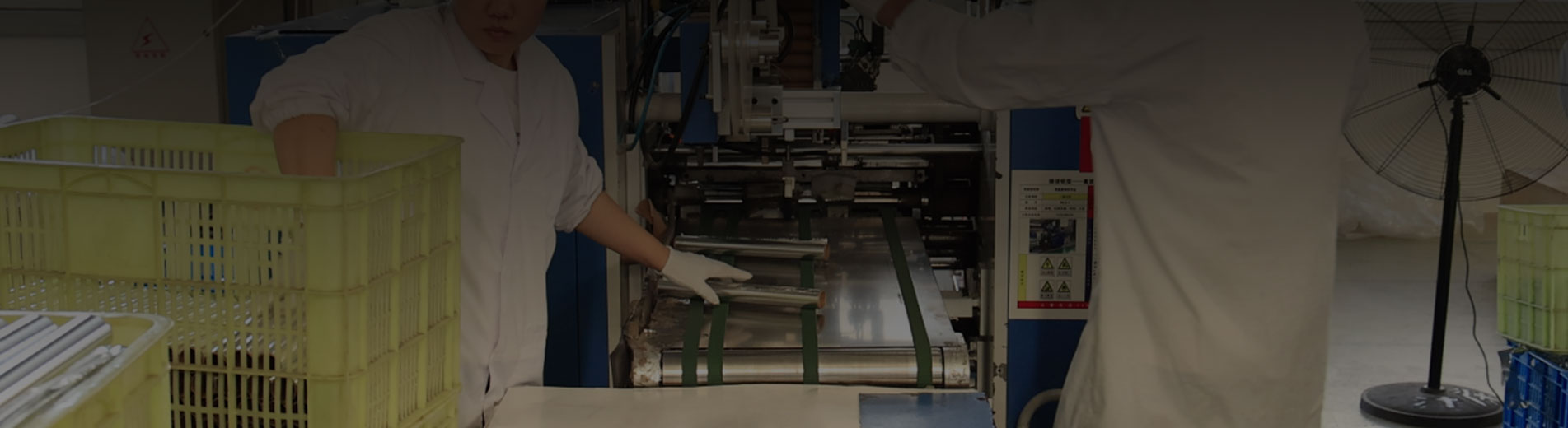
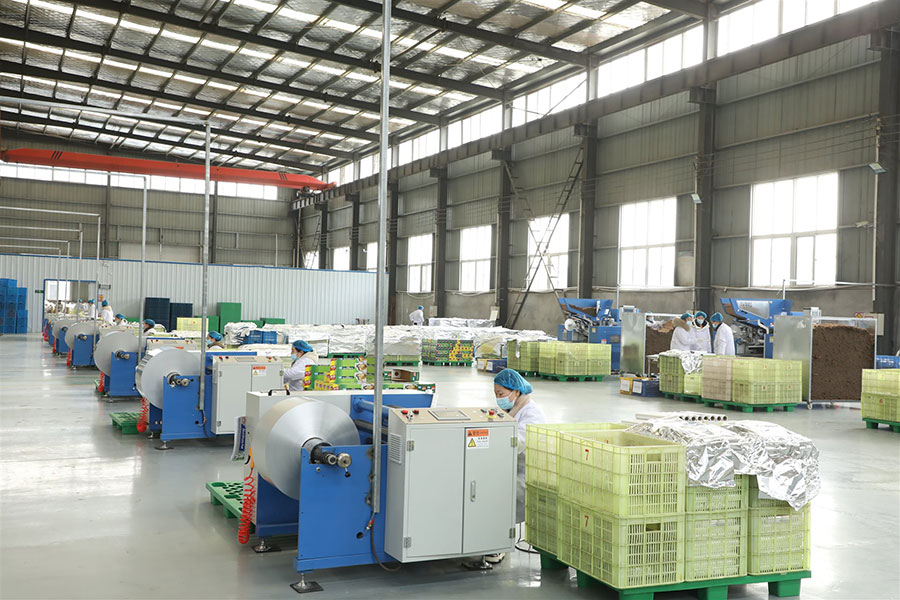
An aluminum foil roll manufacturer owns production facilities and controls every stage of manufacturing, including raw material purchasing, rolling, annealing, slitting, rewinding, inspection, and packaging.
Because manufacturers produce products themselves, they can maintain consistent quality, improve production efficiency, and offer customized solutions based on customer requirements.
At Zhengzhou Eming Aluminium Industry Co., Ltd., we have specialized in aluminum foil products for more than 13 years, supplying customers in food packaging, catering, household, and industrial markets worldwide.
What Is a Trading Company?
A trading company does not manufacture aluminum foil itself. Instead, it purchases products from one or more factories and resells them to international buyers.
Trading companies can simplify sourcing, especially for customers who need several different products from different factories. They may also accept smaller order quantities.
However, since they rely on third-party manufacturers, they usually have less control over production schedules, product consistency, and quality management.
10 Key Differences Between Manufacturers and Trading Companies
Here are the 10 key differences you should know.
1. Product Quality Control
Quality is one of the biggest advantages of buying directly from a manufacturer.
Manufacturers supervise every production stage, including:
● Aluminum alloy selection
● Rolling process
● Thickness inspection
● Surface treatment
● Tensile strength testing
● Final packaging inspection
This ensures every production batch meets customer specifications.
Trading companies normally depend on reports provided by their suppliers and may not inspect every batch before shipment.
Winner: Manufacturer
2. Product Customization
If your business requires customized aluminum foil products, manufacturers provide significantly more flexibility.
Customization options include:
● Roll width
● Roll length
● Thickness
● Core diameter
● Embossed foil
● Non-stick foil
● Printed packaging
● Private label
● Carton design
Since manufacturers control production equipment, they can adjust specifications according to customer requirements.
Trading companies usually offer standard products and have limited ability to modify specifications.
Winner: Manufacturer
3. Pricing
Buying directly from a manufacturer eliminates intermediary costs.
For medium and large orders, factory-direct purchasing generally provides lower unit prices.
Trading companies add service fees and operating margins, which usually result in higher prices.
However, for very small orders, trading companies may sometimes offer competitive pricing by consolidating shipments from multiple customers.
Winner: Manufacturer for bulk orders
4. Minimum Order Quantity (MOQ)
Manufacturers often require larger MOQ because production lines are designed for efficiency.
Typical customized orders may require several tons or a full container.
Trading companies can sometimes supply smaller quantities by combining products from different factories.
If you’re testing a new market or placing a trial order, a trading company may be a practical choice.
Winner: Trading Company
5. Delivery Time
Manufacturers manage production schedules directly and usually provide more predictable delivery times.
Typical lead times for standard aluminum foil rolls are around 15–25 days, depending on specifications and order volume.
Trading companies first confirm production with factories before arranging shipment, which may increase overall lead time.
Winner: Manufacturer
6. Technical Support
Manufacturers have engineers and production specialists who understand product performance and manufacturing processes.
They can recommend:
● Suitable foil thickness
● Appropriate alloy selection
● Food-grade standards
● Packaging solutions
● Cost optimization
● Production improvements
Trading companies usually provide general product information but may not offer detailed technical advice.
Winner: Manufacturer
7. Supply Stability
Stable supply is essential for distributors and brand owners.
Manufacturers can better manage:
● Raw material inventory
● Production planning
● Capacity allocation
● Quality consistency
Trading companies may source from different factories over time, which can lead to variations in product specifications.
Winner: Manufacturer
8. Supply Chain Transparency
Many international buyers require full traceability for food-contact materials.
Manufacturers can usually provide:
● ISO certificates
● Quality inspection reports
● Material certificates
● Production records
● Batch tracking information
This level of transparency is valuable for food packaging companies and importers.
Winner: Manufacturer
9. Long-Term Cooperation
Manufacturers often establish long-term partnerships by offering:
● Stable pricing
● Dedicated production schedules
● OEM development
● Private label support
● Volume discounts
● Continuous product improvement
These advantages become more significant as purchasing volume increases.
Winner: Manufacturer
10. Risk Management
Working directly with a manufacturer reduces communication layers.
Questions about production, quality, packaging, or delivery can be addressed more quickly.
It also lowers the risk of misunderstandings between buyers and factories.
Winner: Manufacturer
When Should You Choose a Manufacturer?
Working directly with a manufacturer is recommended if:
● You purchase aluminum foil regularly.
● Your annual demand is high.
● You require customized products.
● You need OEM or private-label packaging.
● Product quality consistency is important.
● You want to build a long-term supply partnership.
When Is a Trading Company a Better Choice?
A trading company may be suitable if:
● Your order quantity is small.
● You need multiple product categories from different factories.
● You’re testing a new market.
● You have limited import experience.
● Flexible purchasing is more important than the lowest price.
How to Verify a Real Aluminum Foil Manufacturer
Before placing an order, ask potential suppliers to provide:
● Business license
● Factory address
● Production workshop photos or videos
● ISO 9001 certification
● Product testing reports
● Export experience
● Video factory tour or third-party factory audit
A reliable manufacturer should be able to answer these questions openly and provide supporting documentation.
Frequently Asked Questions
Is buying directly from a manufacturer always cheaper?
Not necessarily. For very small orders, a trading company may offer better overall costs because it combines shipments from multiple customers. For medium and large orders, manufacturers generally provide more competitive pricing.
Can manufacturers provide OEM services?
Yes. Most professional manufacturers can customize roll size, thickness, packaging, labels, and carton printing according to customer requirements.
How can I identify a genuine manufacturer?
Check whether the supplier owns production equipment, provides factory photos or videos, offers factory audits, and can explain its manufacturing process in detail.
Which option is better for long-term business?
For businesses requiring stable quality, customized products, and continuous supply, partnering directly with a manufacturer is usually the better long-term solution.
Conclusion
Both manufacturers and trading companies play important roles in the aluminum foil supply chain.
Trading companies offer flexibility and convenience for small or mixed-product orders. Manufacturers, on the other hand, provide stronger quality control, greater customization, competitive pricing, and more reliable long-term cooperation.
The best choice depends on your purchasing volume, customization requirements, budget, and business goals.
If you are looking for a reliable aluminum foil roll manufacturer in China, choosing an experienced factory with proven export experience can help reduce procurement costs, improve product consistency, and support the long-term growth of your business.
Feel free to contact us for more details.
WhatsApp: +8619138193376
Email: eming@emingfoil.com
Related Products