How to Choose Food Foil Containers with Lids
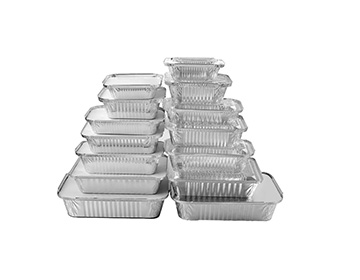
When it comes to food packaging, choosing the right container is just as important as choosing the right packaging material. For restaurants, catering companies, bakeries, food manufacturers, meal-prep businesses, and takeaway services, food foil containers are a practical and versatile solution.
With so many sizes, shapes, capacities, and lid options available, choosing the right aluminum foil container can be confusing. Should you choose based on dimensions or capacity? And which lid is best—paper lid, PE plastic lid, or aluminum foil lid?
This guide covers the key factors to consider when choosing foil containers with lids, whether you are purchasing for a restaurant or looking for foil containers wholesale.
1. Why Choosing the Right Food Foil Container Matters
An aluminum foil container is more than a disposable food box. Its dimensions, capacity, thickness, rim design, and lid all affect its performance.
The right container should:
● Hold the required amount of food
● Provide enough space for safe filling
● Prevent spills during transportation
● Match the appropriate lid
● Offer sufficient strength for handling and stacking
● Meet cooking, reheating, freezing, or takeaway requirements
● Help control packaging costs
For commercial buyers, choosing the right specification can also reduce material waste and unnecessary expenses. The best choice should therefore start with the application, not simply the cheapest or thickest container.
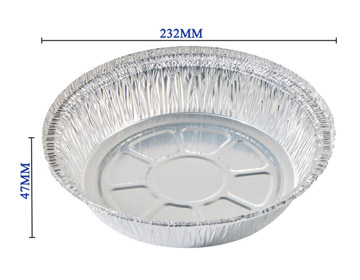
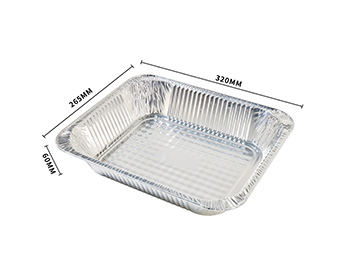
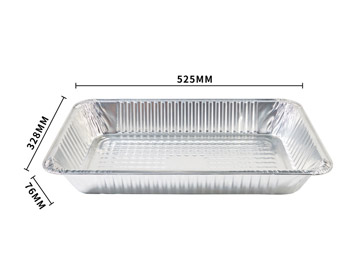
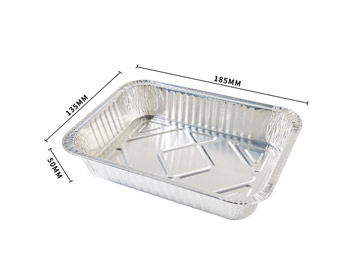
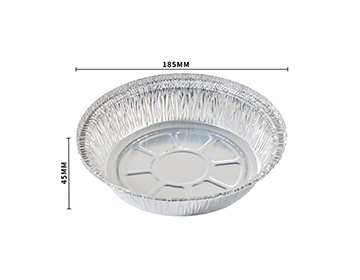
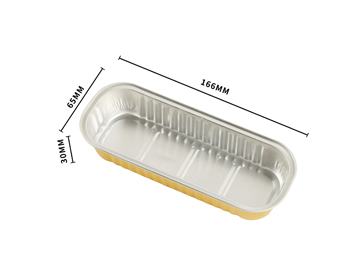
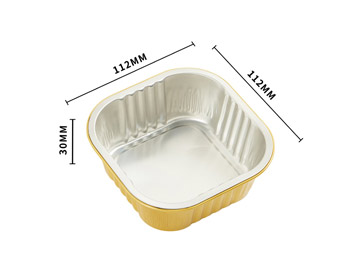
2. How to Choose an Aluminum Foil Container by Dimensions
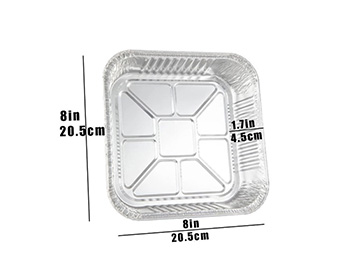
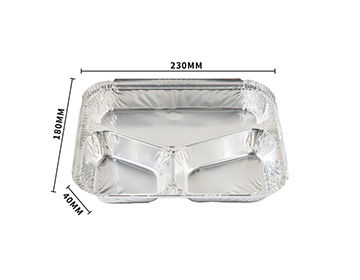
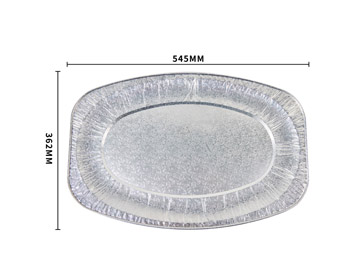
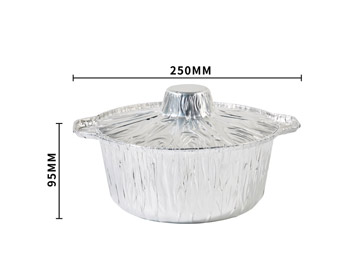
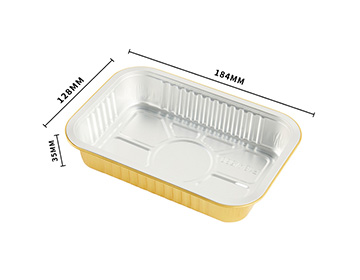
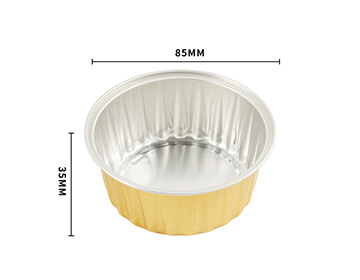
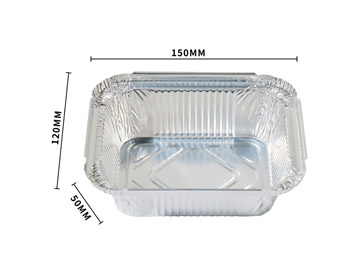
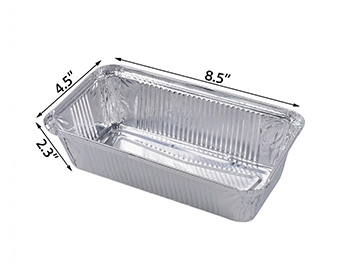
For rectangular and square containers, the basic dimensions are:
Length × Width × Height
For example, a container may be specified as 200 × 150 × 45 mm.
However, these measurements do not tell the whole story. Most aluminum foil containers have tapered walls, so the top and bottom dimensions may differ. Depth also affects both capacity and how food fits inside.
Length and Width
Length and width determine the container’s footprint.
Wider containers are often suitable for:
● Rice meals
● Roasted food
● Pasta
● Baked dishes
● Combination meals
● Family-size takeaway meals
Narrower containers may be better for:
● Side dishes
● Desserts
● Smaller portions
● Individual meals
Also consider whether the container fits your shelves, delivery bags, cartons, ovens, and other equipment.
Height
Height determines how deep the container is.
Shallow containers are often suitable for cakes, brownies, pastries, roasted vegetables, and other baked goods.
Deeper containers are more suitable for soups, curries, stews, pasta with sauce, rice dishes, and foods that require more headspace.
Two containers can have similar capacities but very different shapes, so consider both volume and food presentation.
3. Choose the Container According to Capacity
If you already know the amount of food you need to package, capacity can be an easier starting point.
Common reference ranges include:
● 260ml– 450ml: Desserts and side dishes
● 500ml – 700ml: Individual portions
● 750ml: Standard takeaway meals
● 800ml – 1000ml: Larger meals
● 1750ml– 3500ml: Family portions and catering
● 3500ml –9700ml: Commercial Kitchens and Foodservice
These are general guidelines, not fixed standards. The right capacity depends on the food, portion size, filling method, and required headspace.
Nominal Capacity vs. Usable Capacity
Nominal capacity is the approximate volume when a container is filled close to the top.
Usable capacity is the amount of food that can realistically be packed while leaving enough space for the lid, transportation, reheating, and food movement.
For example, a container advertised as 1000 ml should not necessarily be filled with 1000 ml of food.
Proper headspace helps reduce:
● Food spills
● Sauce leakage
● Lid deformation
● Compression during stacking
● Transportation problems
For reheatable meals, the appropriate headspace should be confirmed through actual product and lid testing.
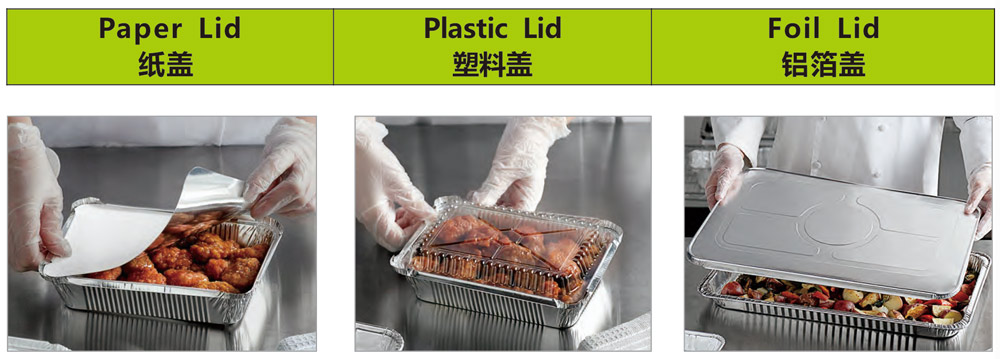
4. How to Choose the Right Lid for Foil Containers
The lid is just as important as the container, especially for takeaway, delivery, catering, and retail packaging.
Common options include:
1. Aluminum-coated paper lids
2. PE plastic lids
3. Aluminum foil lids
Each has different advantages.
Aluminum-Coated Paper Lids: A Cost-Effective Choice
Paper-based lids with an aluminum coating are a practical option when packaging cost is a major consideration.
They are commonly used for:
● Takeaway meals
● Catering
● Restaurants
● Bakeries
● Foodservice
● Short-distance transportation
Advantages
Lower cost: A cost-effective option for high-volume orders.
Easy customization: Depending on the design, paper lids can support logo, product information, and branding.
Lightweight: They can help reduce overall packaging weight.
Choose a paper lid when cost control is the main priority. However, always consider the food type, moisture, grease, temperature, and transportation conditions.
PE Plastic Lids: Sealing and Visibility
PE plastic lids can be a good choice when you need secure closure and better food visibility.
Depending on the design, they can offer:
● Good lid retention
● Moisture resistance
● Better spill protection
● Food visibility
● A finished appearance
They are suitable for takeaway meals, prepared foods, desserts, catering, and food delivery.
If sealing performance and presentation are important, a PE plastic lid may be a better option than a basic paper lid. Make sure the plastic material and temperature rating are suitable for the intended application.
Aluminum Foil Lids: Strong Protection
Aluminum foil lids are ideal when you want a consistent aluminum packaging system.
Depending on the design, they can provide:
● Strong barrier protection
● Resistance to moisture and light
● Secure closure options
● Suitable performance for certain heating and storage applications
● A premium appearance
They are a good choice when packaging quality and protection are more important than the lowest unit price.
The lid construction and closure method must match the container rim, as different systems have different requirements for fit and sealing.
Paper Lid vs. PE Plastic Lid vs. Aluminum Foil Lid
|
Lid Type |
Main Advantage |
Best For |
|
Aluminum-coated paper lid |
Cost-effective |
Budget-conscious foodservice |
|
PE plastic lid |
Closure and visibility |
Takeaway, delivery, prepared food |
|
Aluminum foil lid |
Barrier protection and premium packaging |
Higher-protection applications |
In short:
● Cost priority: Choose an aluminum-coated paper lid.
● Sealing and presentation: Consider a PE plastic lid.
● Protection and packaging quality: Consider an aluminum foil lid.
There is no single best lid for every application. The right choice depends on food type, temperature, transportation, sealing requirements, branding, and budget.
5. Make Sure the Lid Matches the Container
One of the most important rules when purchasing foil containers with lids is:
Do not select the container and lid separately.
The lid must match the container’s:
● Top dimensions
● Rim shape and height
● Flange design
● Container model
● Closure method
Even containers with similar dimensions may require different lids.
Before placing a bulk order, ask your foil containers supplier for:
● Container and lid specifications
● Technical drawings
● Matching model numbers
● Samples
Testing the complete container-and-lid combination is especially important for liquid foods, delivery applications, and automated packing lines.
Consider Your Food Type
Different foods have different packaging requirements.
Dry Foods
Bread, pastries, cookies, baked goods, and fried foods may not require the same sealing protection as liquid or saucy foods.
Wet and Saucy Foods
For curry, soup, stew, pasta with sauce, gravy, and braised dishes, pay particular attention to:
● Container depth
● Headspace
● Lid fit
● Rim design
● Leak resistance
● Transportation stability
Frozen Foods
Consider container strength, temperature conditions, lid compatibility, stacking, and transportation.
Hot Takeaway Food
For hot meals, consider heat resistance, container rigidity, lid material, steam management, headspace, and transportation conditions.
The container should therefore be selected according to the entire food packaging process, not capacity alone.
6. Why Buy Foil Containers Wholesale?
For restaurants, distributors, caterers, food manufacturers, and packaging wholesalers, purchasing foil containers wholesale can provide several advantages.
Lower Unit Cost
Larger quantities generally offer better pricing opportunities.
Consistent Specifications
Buying from the same supplier can help maintain consistency in:
● Size
● Thickness or weight
● Shape
● Lid fit
● Material
● Packaging
Better Supply Stability
A reliable long-term supplier can help reduce the risk of packaging shortages.
Customized Packaging
Wholesale buyers may be able to customize:
● Container sizes
● Lid types
● Packaging
● Customized Printing
● Carton design
● Private-label packaging
For large-volume purchases, evaluate suppliers based not only on price but also on quality control, production capacity, delivery reliability, and technical support.
7. How to Choose a Reliable Foil Containers Supplier
Before placing an order, ask your foil containers supplier:
1. Can you provide samples?
Samples allow you to test capacity, dimensions, strength, lid fit, sealing, and food compatibility.
2. Can you provide technical specifications?
A professional supplier should provide accurate information about dimensions, material, thickness, and packaging.
3. Can you provide different lid options?
If you need foil containers with lids, it is useful to work with a supplier that can provide compatible paper, plastic, and aluminum foil lids.
4. Can you support customization?
Confirm whether the supplier can meet special requirements for dimensions, branding, or packaging.
5. Can you support long-term wholesale orders?
For distributors and foodservice companies, stable production capacity and consistent quality are often more important than the lowest initial quotation.
Zhengzhou Eming Aluminium Industry Co., Ltd. is an experienced manufacturer and supplier of aluminum foil containers and related packaging products. We provides a wide range of container sizes, shapes, and compatible lid options for restaurants, catering, food manufacturers, distributors, and wholesalers. With a focus on consistent quality, customization, reliable production, and stable supply, Eming is a trusted choice for businesses looking for foil containers wholesale and long-term packaging solutions.
Conclusion
Choosing the right aluminum foil container comes down to finding the right balance between size, capacity, lid type, performance, and cost.
Whether you are a restaurant, caterer, food manufacturer, distributor, or importer looking for foil containers wholesale, start by defining your application and then work with an experienced foil containers supplier to confirm the right container and lid combination.
The right foil containers with lids can protect food, improve presentation, simplify transportation, and help control packaging costs.
Contact Eming Company to discuss your aluminum foil container requirements and get more information about our products.
WhatsApp: +8619138193376
Email: eming@emingfoil.com
Related Products